
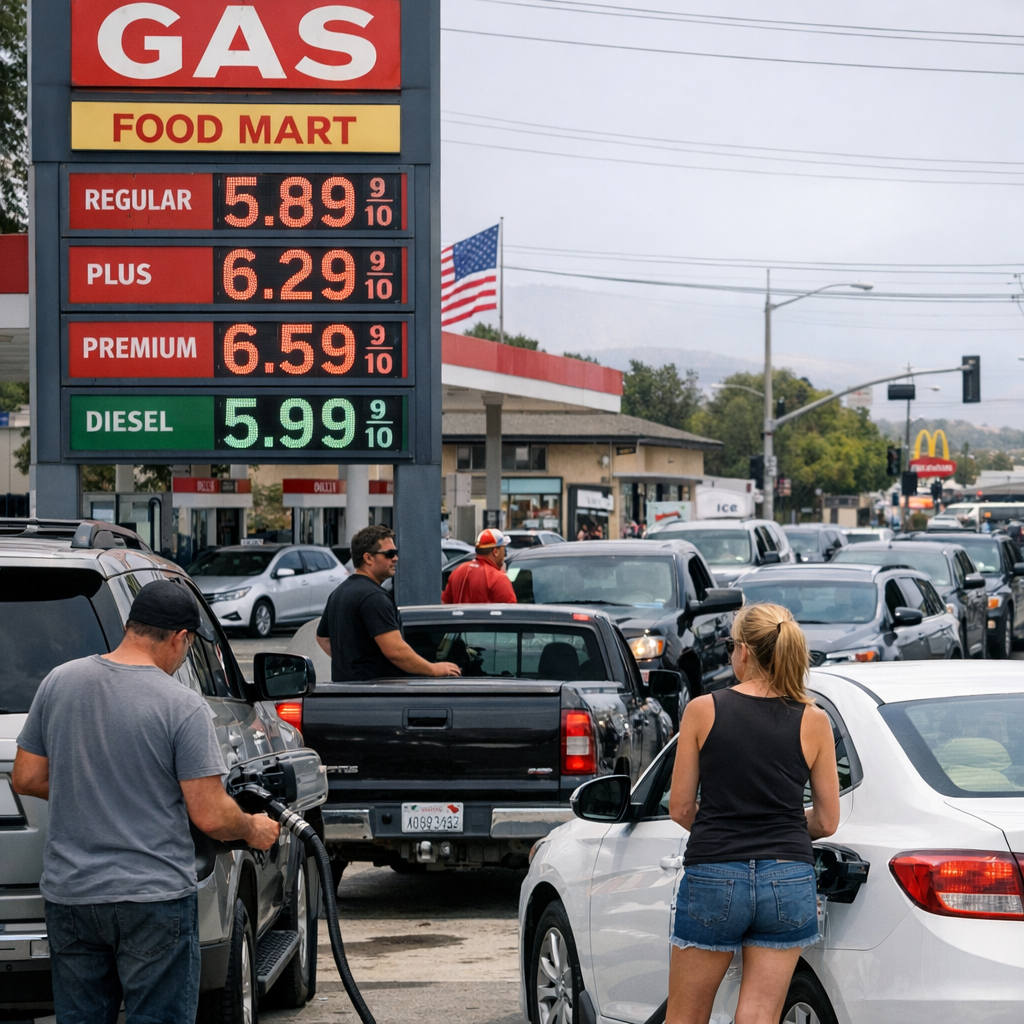
The U.S. economy is currently experiencing a complex interplay of factors influencing inflation, employment, and overall growth. Recent data indicates a rise in inflation rates, with April figures reaching 3.8%, the highest in three years. This uptick is largely attributed to escalating energy costs following the military conflict with Iran, which led to the closure of the Strait of Hormuz and a subsequent surge in gas prices, now averaging over $4.50 per gallon nationally.
Despite these inflationary pressures, the labor market has shown resilience. In April, U.S. employers added 115,000 jobs, demonstrating continued growth even amidst global uncertainties. However, consumer sentiment has been affected, with many Americans expressing concerns about their personal finances and the broader economic outlook.
Internationally, the U.S. has been actively engaging in trade negotiations and policy adjustments. The Trump administration’s recent announcement of a 25% tariff on vehicles from the European Union has introduced new dynamics into global trade relations, with potential implications for domestic industries and consumers.
As these developments unfold, it’s crucial for individuals and businesses to stay informed and adapt to the evolving economic environment. Monitoring policy changes, market trends, and global events will be essential in navigating the current landscape.